|
November 11th Press Conference on Green Belt and Road: Cases and Practices On November 11, the Belt and Road Ecological Industry Cooperation Working Committee of ACEF held a themed event titled “Focusing on a Green Belt and Road, Sharing Low-Carbon Practices and Chinese Cases, and Promoting Global Ecological Cooperation” at the UN News Center. The event attracted enterprise representatives, international media, and stakeholders concerned with green Belt and Road development. Five companies from the new materials, automotive, energy, and digital infrastructure sectors shared concrete pathways and achievements in green and low-carbon transformation based on their business practices, providing replicable and scalable solutions for Belt and Road partner countries. 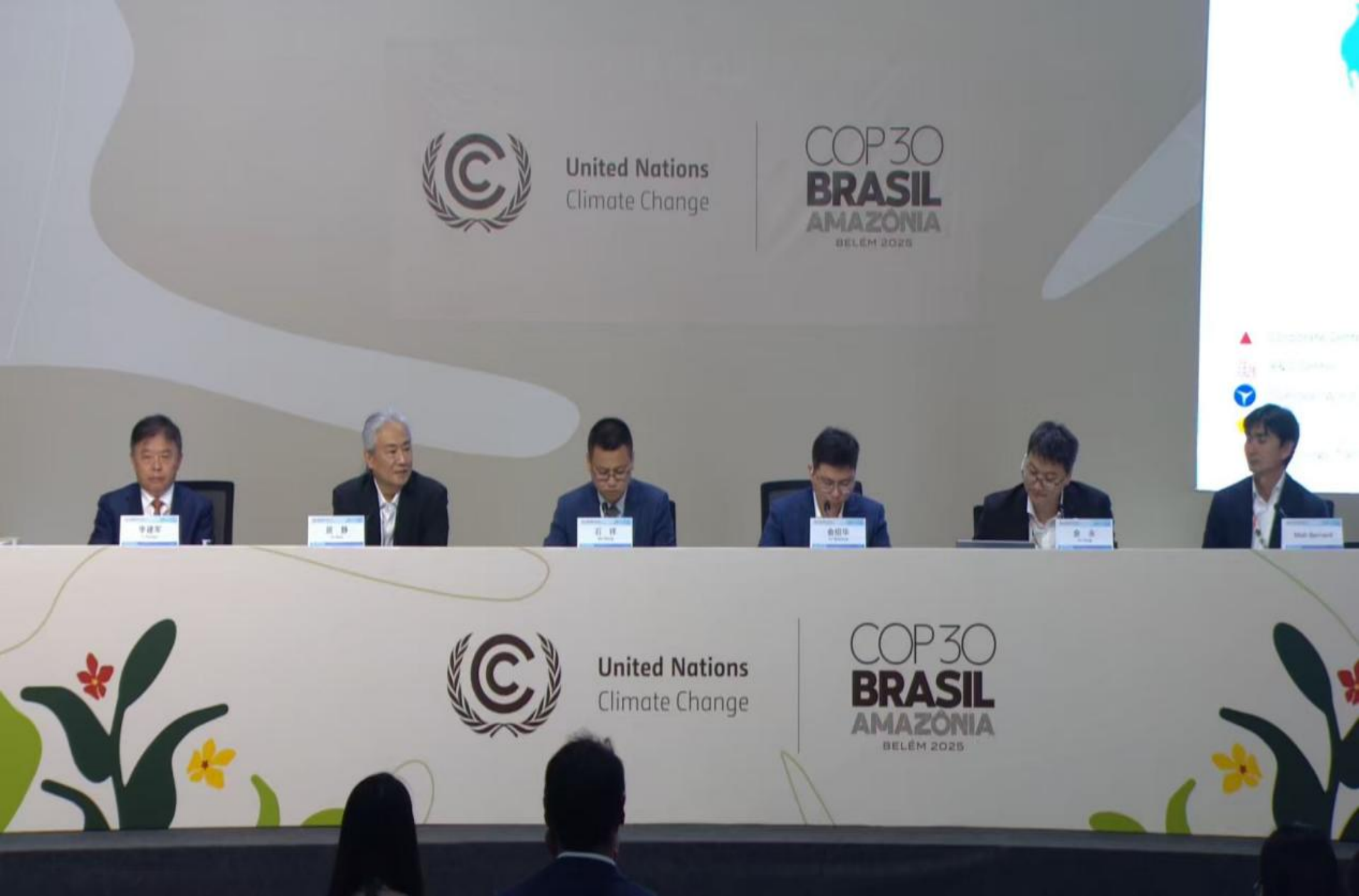
Figure 1. Press Conference Venue
November 12 China Pavilion High-Level Side Event and Off-site Exchanges On November 12, ACEF organized enterprise partners including LONGi Green Energy, Gotion High-Tech, and Geely Auto to participate in the China Pavilion high-level side event “Promoting Green Innovation Cooperation and Building a Green Silk Road”, hosted by the International Coalition for Green Development on the Belt and Road (BRIGC). They also took part in the event “Forests, Agriculture and Green Economy in the Global South”, hosted by the Amazon Environmental Research Institute (IPAM) at the Casa Balaio venue in Belém. High-level participants included Li Gao, Head of the Chinese Delegation and Vice Minister of Ecology and Environment of China; Ana Toni, COP30 CEO and Brazil’s Secretary for Environment and Climate Change; and Simon Stiell, Executive Secretary of the UNFCCC. During both events, ACEF facilitated Chinese enterprises in sharing experiences in energy transition and circular economy, responding directly to COP30’s emphasis on action and implementation. 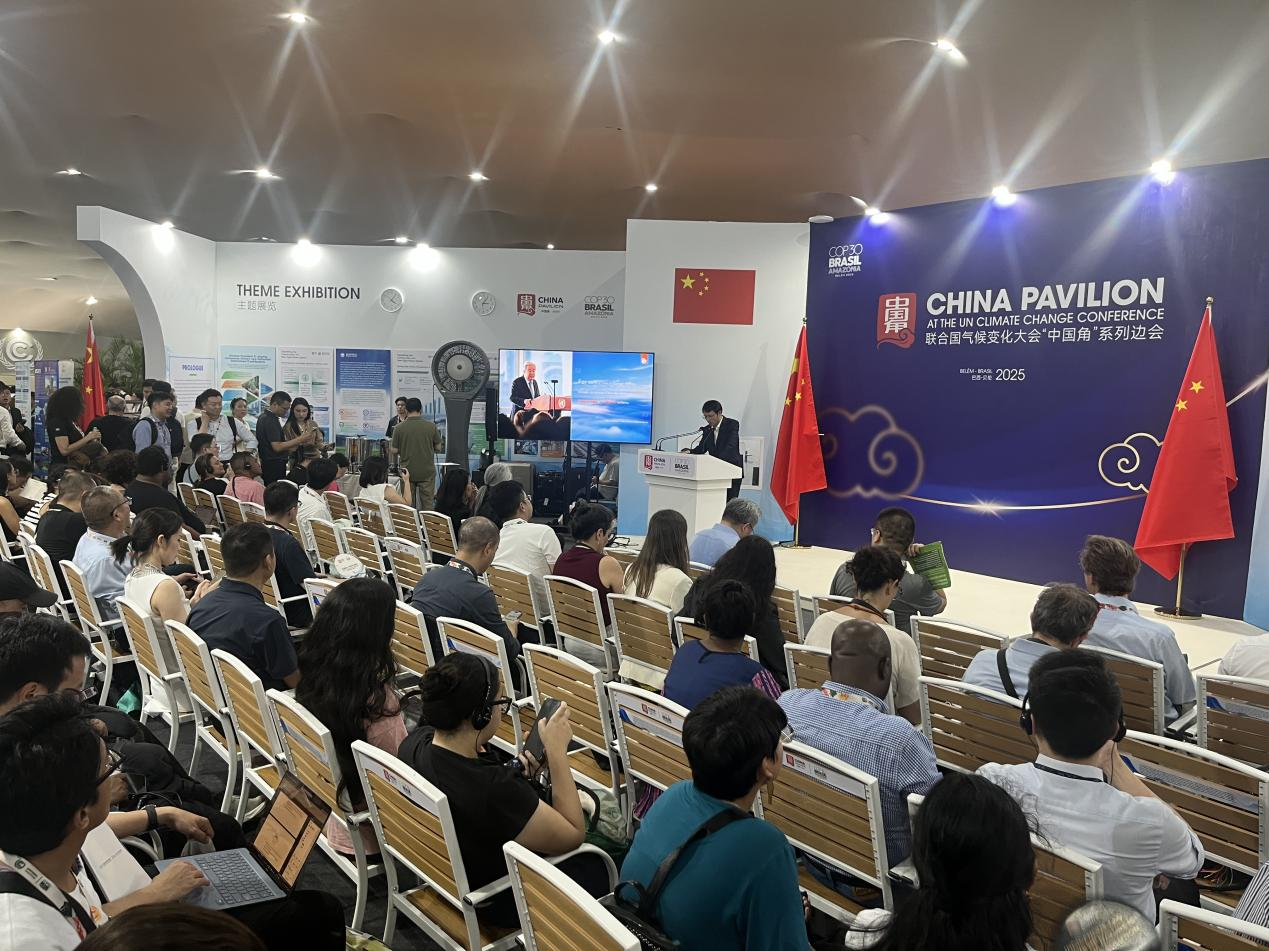
Figure 2. Gotion High-Tech Representative Speaking at the China Pavilion
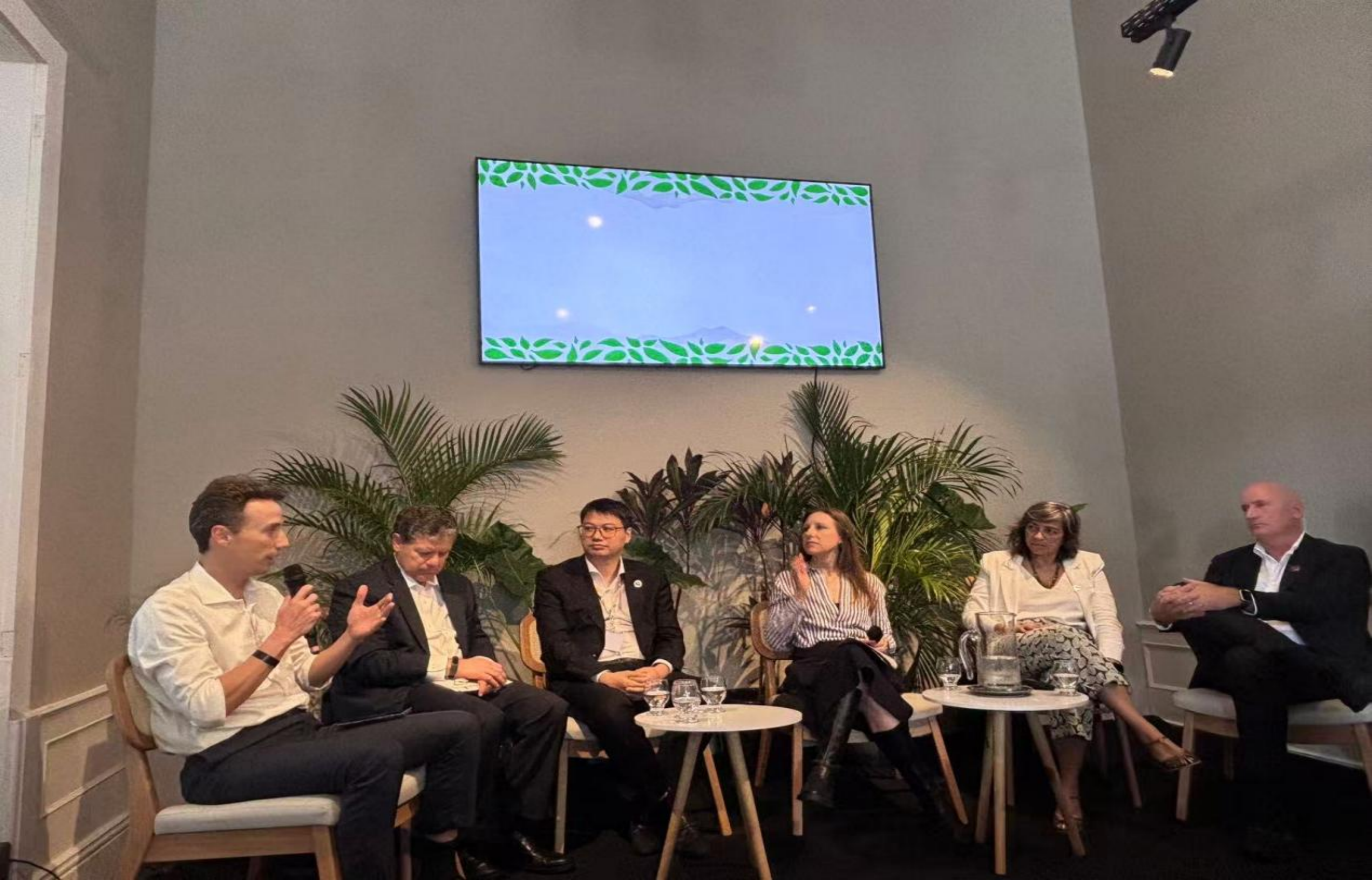
Figure 3. Roundtable Discussion at Casa Balaio
November 13 “China–Brazil Focus: Green Trade and Sustainable Energy” Thematic Event On November 13, ACEF and the Centre for Management and Strategic Studies (CGEE), Brazil, co-hosted the COP30 side event “China–Brazil Focus: Green Trade and Sustainable Energy” at AgriZone. Representatives from research institutions, enterprises, and youth groups from both countries engaged in in-depth discussions on green supply chain optimization, circular economy models, low-carbon agricultural technologies, and bioenergy innovation. Wang Jiajia, Deputy Director of the Public Welfare Department of ACEF, opened the event by introducing ACEF’s work and the “Together for Low-Carbon Action: Strategic Communication Micro-Grant Program”, highlighting its role in supporting local climate solutions. The meeting emphasized the necessity of cooperation between Chinese and Brazilian enterprises and civil society organizations in green trade, sustainable agri-food systems, and energy systems, underscoring innovation, transparency, and collaboration as key elements for sustainable development. 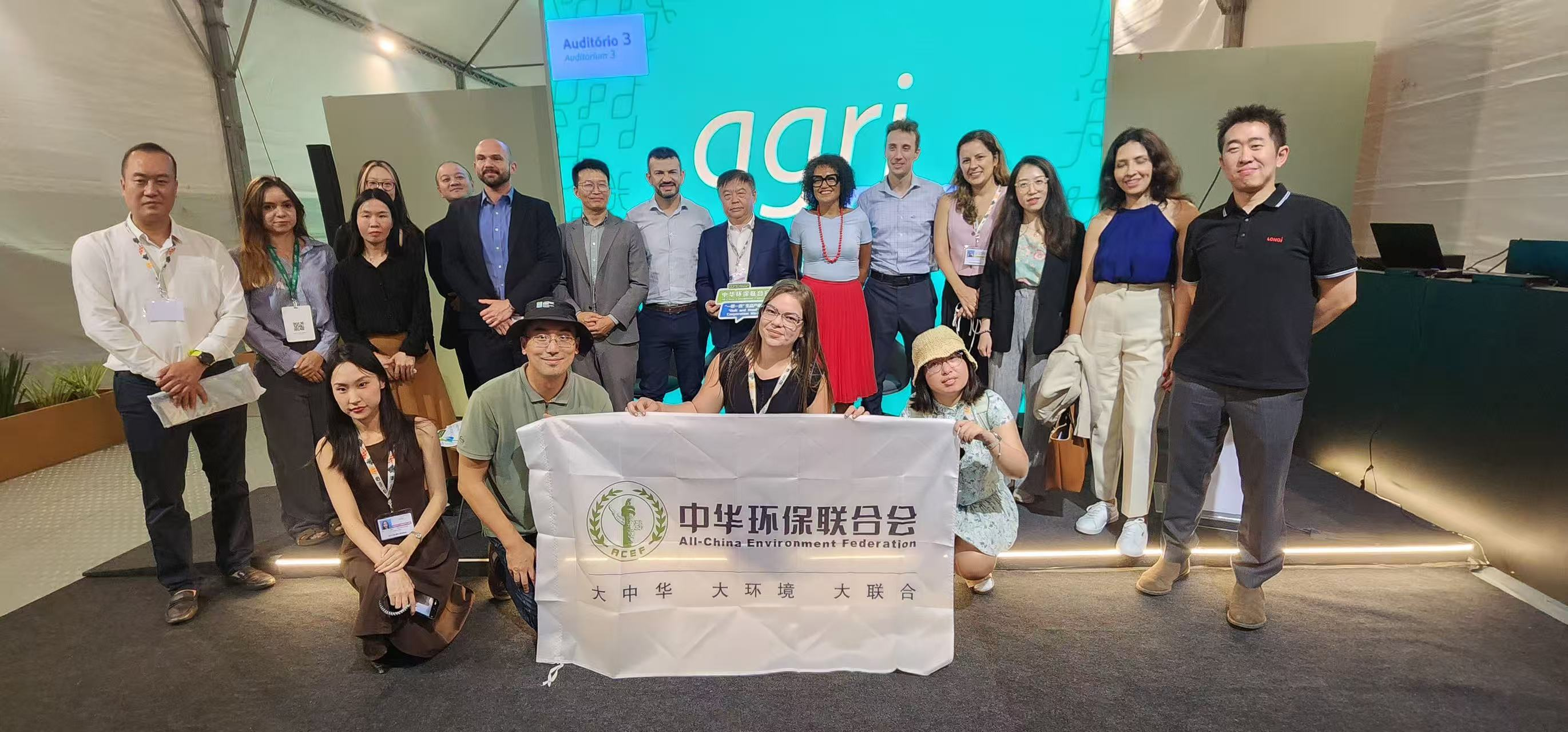
Figure 4. Group Photo of Participants
November 14 Side Event on “Multi-Stakeholder Partnerships Driving Blended Climate Finance” On November 14, ACEF and GF60 co-hosted the side event “Multi-Stakeholder Partnerships Driving Blended Climate Finance” at the Green Climate Fund (GCF) Pavilion. Participants included climate philanthropy organizations from multiple countries—such as the ClimateWorks Foundation (USA), African Climate Foundation, and the China Environmental Protection Foundation—as well as experts and enterprise representatives from organizations including IUCN, Sustainable Food Investment Alliance, and Tsinghua University. Discussions focused on overcoming climate finance bottlenecks, particularly in attracting investment for projects in emerging markets. The event highlighted that while climate action and the UN Sustainable Development Goals (SDGs) are mutually reinforcing, the financing gap, especially for emerging economies, remains a major obstacle. The meeting emphasized that philanthropic capital, with its patience and higher risk tolerance, can serve as catalytic and first-loss capital, reducing investment risks and mobilizing trillions of dollars in commercial finance. 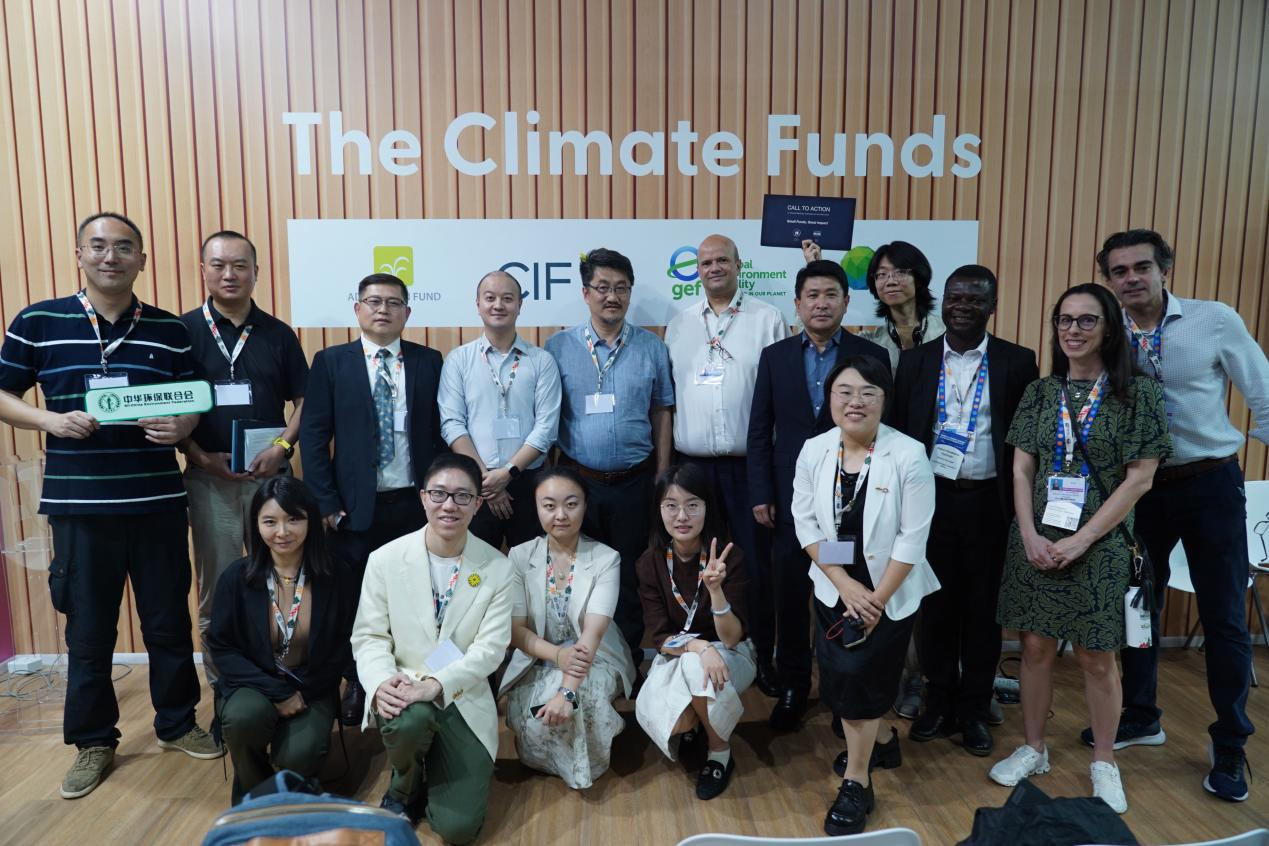
Figure 5. Group Photo of Participants
November 15 Field Visit to Amazon Agroforestry Systems On November 15, ACEF representatives participated in a field visit organized by IPAM, engaging in in-depth exchanges with local Indigenous communities on rainforest ecosystem protection strategies. IPAM, a Brazil-based organization with 30 years of experience in rainforest conservation, has supported agroforestry restoration projects in Tomé-Açu, northeastern Pará. To date, 120 households have participated, restoring 165 hectares of land. These practices demonstrate that agroforestry systems can integrate traditional food production while protecting biodiversity and addressing climate change. 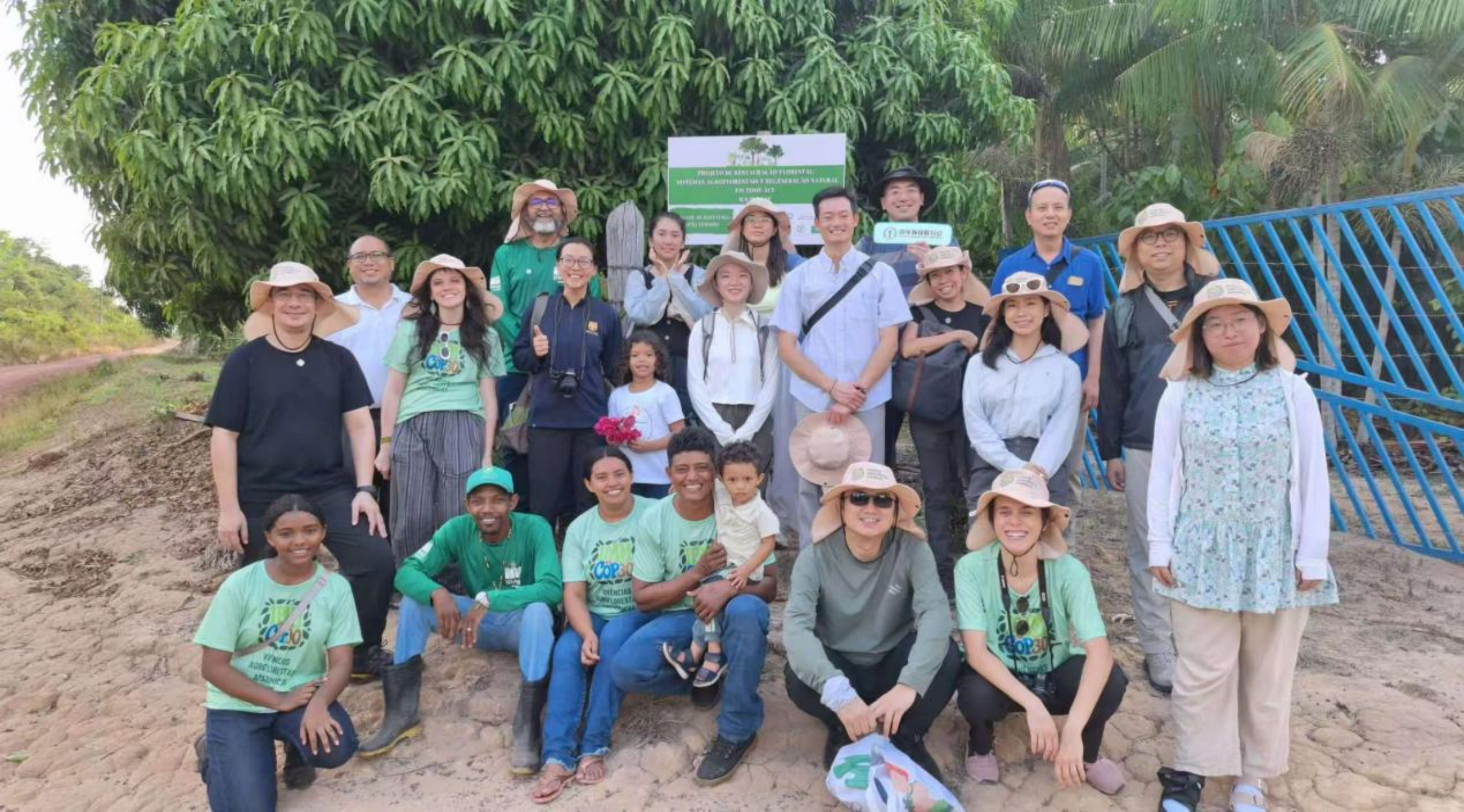
Figure 6. On-site Visit to Rainforest Restoration Project
November 17 Side Event: “China’s Practices in Renewable Energy and Low-Carbon Transition” On November 17, a UN thematic side event titled “China’s Practices in Renewable Energy and Low-Carbon Transition” was successfully held in the COP30 Blue Zone, co-hosted by ACEF, the All-China Federation of New Energy Chamber of Commerce, Zhenjiang Green Sanshan, and the Beijing Forestry Society. Experts, enterprises, and social organizations discussed China’s latest progress in carbon transparency monitoring, zero-carbon industrial parks, and renewable energy development. Gu Shengzu, Vice Chairman of the 13th National Committee of the CPPCC and Chief Expert of the Global Development Think Tank, delivered a special address, emphasizing that the world economy is undergoing dual transitions of digitalization and green transformation, and that digital and intelligent solutions can significantly accelerate global decarbonization. 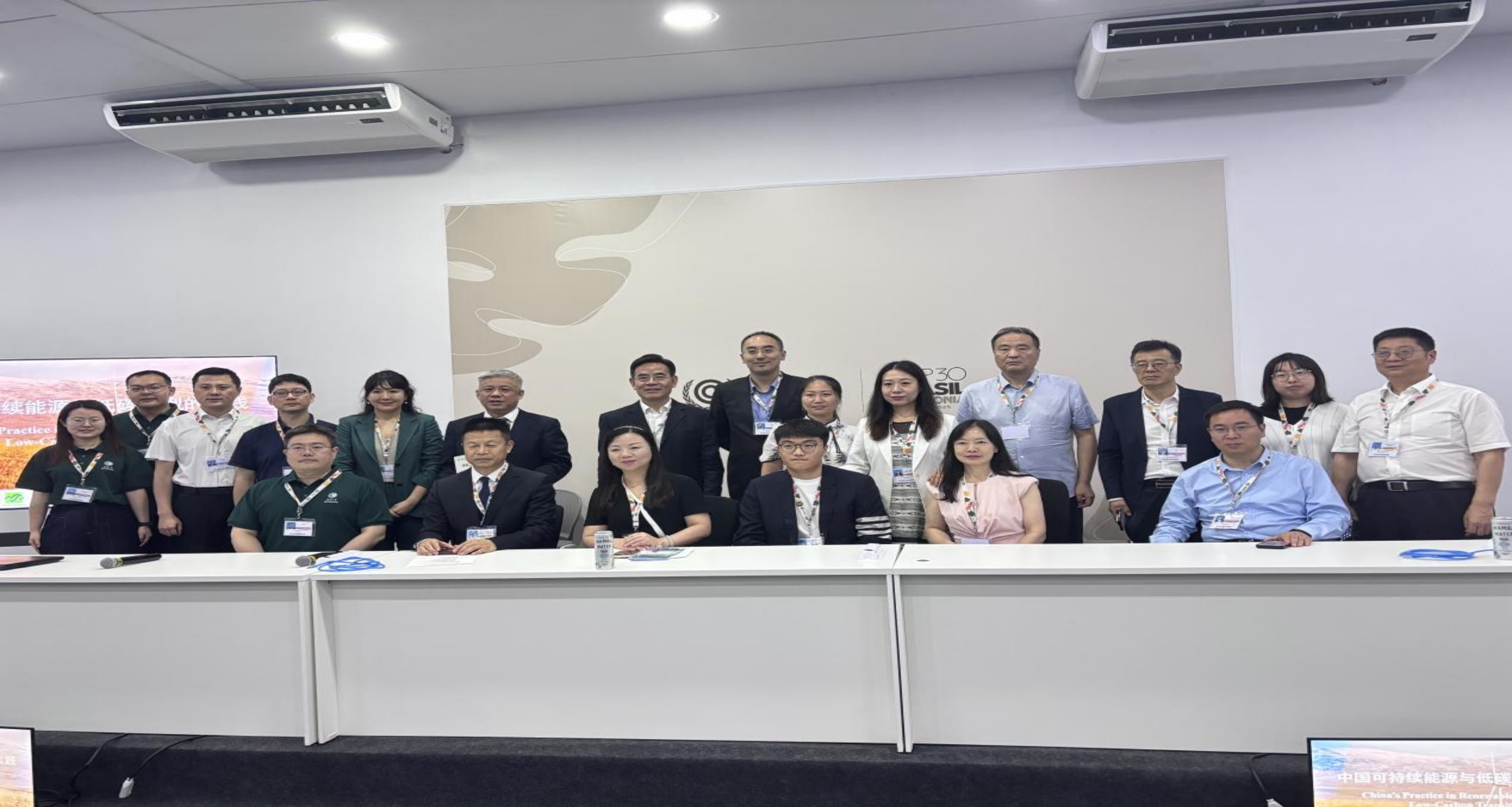
Figure 7. Group Photo of Participants
November 17 “Shared Future—A Sustainable China–Brazil Pathway” Amazon Pavilion Event On November 17, ACEF co-hosted the forum “Shared Future—A Sustainable China–Brazil Pathway” at the Amazon Pavilion with IPAM, the Brazilian Amazon Consortium, and the Center for Environmental Education and Communications of China’s Ministry of Ecology and Environment. Chinese representatives from organizations including the China Green Carbon Sink Foundation, Beijing NGO Association for International Exchanges, and State Grid Zhejiang Electric Power Company participated in discussions on forest protection, energy transition, and AI-enabled agricultural development, contributing Chinese civil society perspectives. 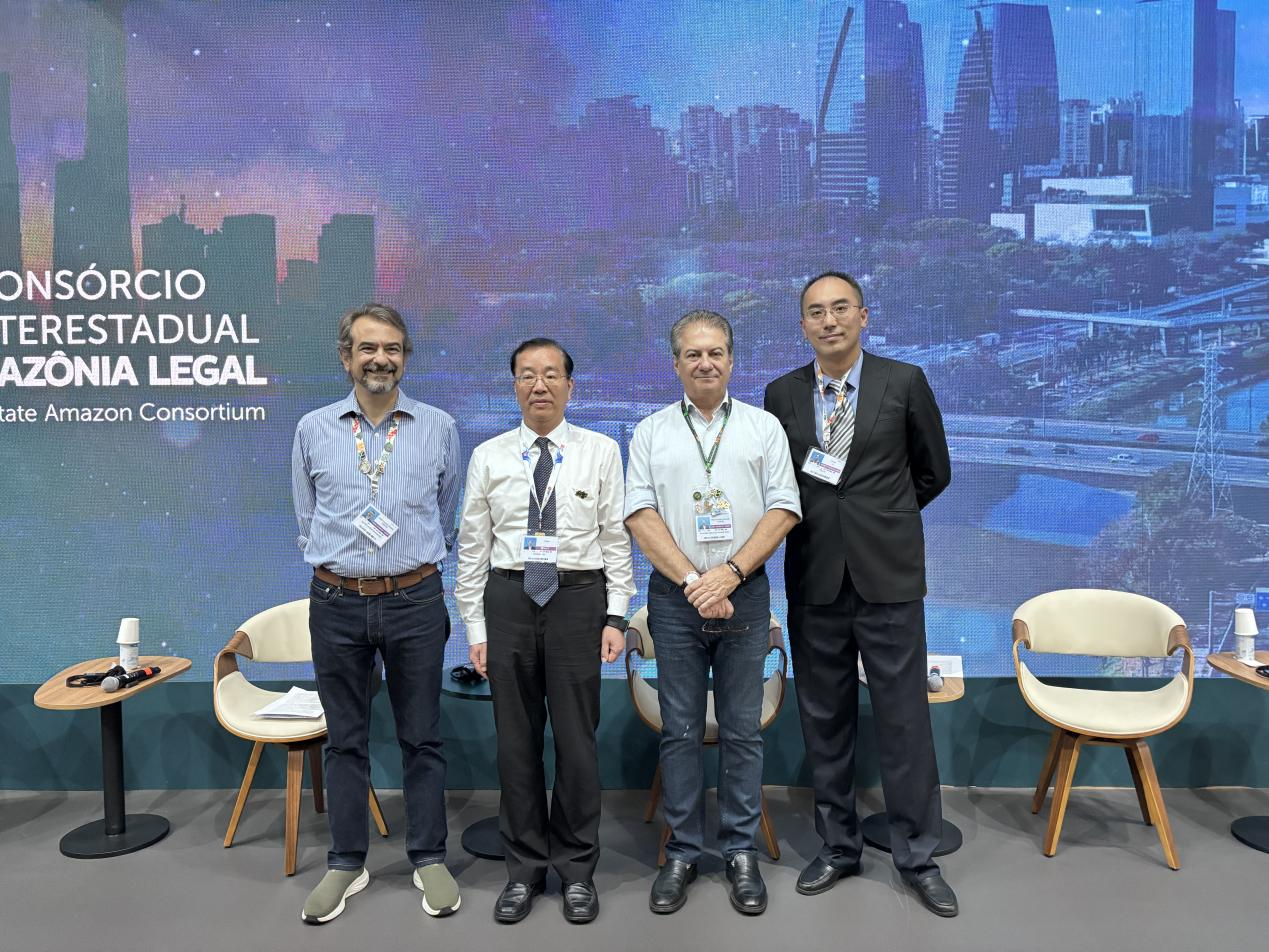
Figure 8. Group Photo of Organizers
November 18 Official Side Event: “Green Trade and Just Transition” On November 18, the official side event “Green Trade and Just Transition” was jointly organized by ACEF, the China Environmental Protection Foundation, and Suzhou Green Inclusive Development, and held in Blue Zone Meeting Room 7. The event brought together environmental organizations, enterprises, research institutions, and youth representatives from around the world to explore opportunities and challenges in promoting green and low-carbon trade while achieving economic, environmental, and social co-benefits. 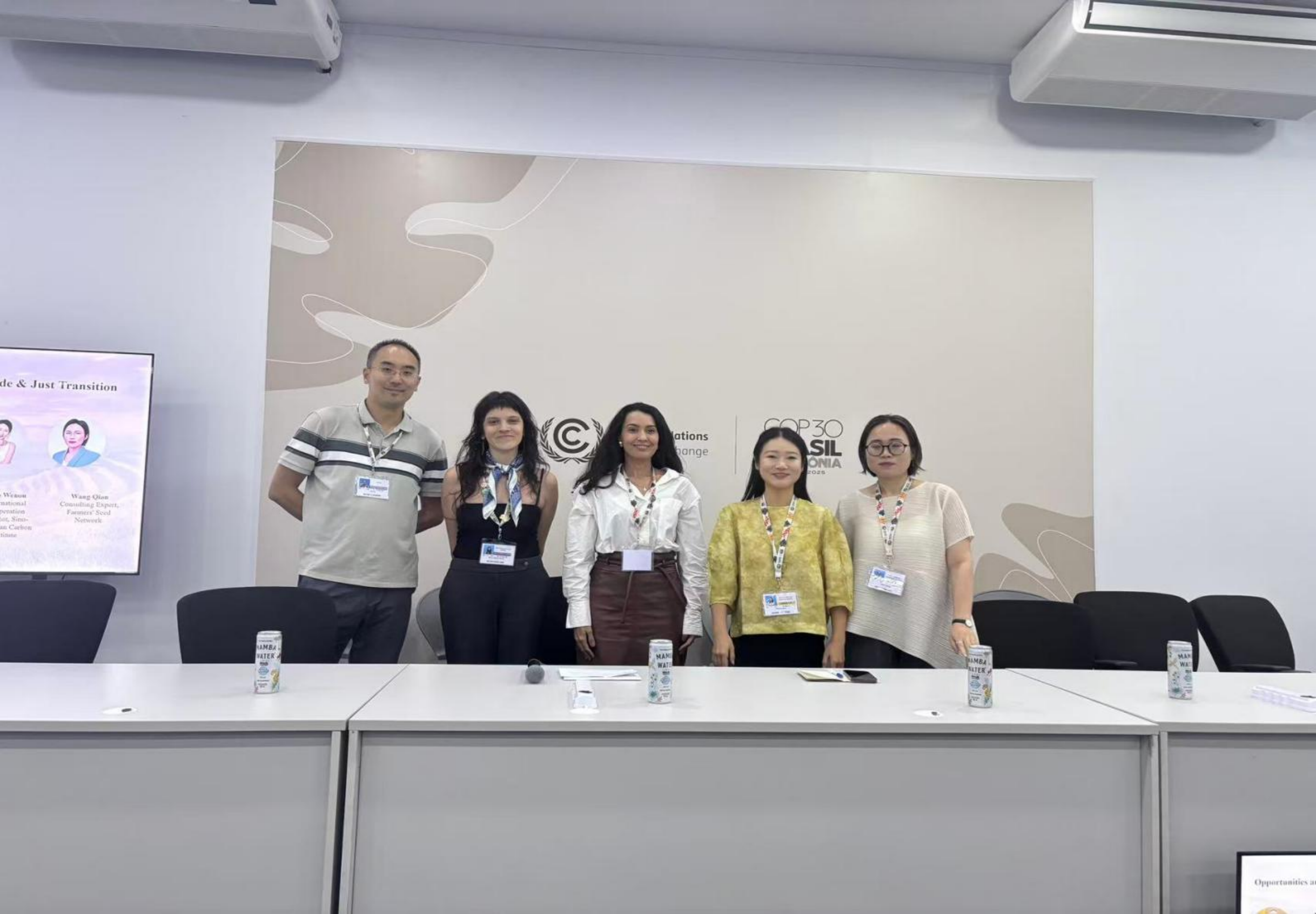
Figure 9. Roundtable Speakers
November 19 China Pavilion Side Event: “Corporate Multi-Stakeholder Collaboration and Just Transition toward Net-Zero” On November 19, ACEF, the China Enterprise Confederation, and the China Enterprise Management Science Foundation co-hosted the China Pavilion side event “Corporate Multi-Stakeholder Collaboration and Just Transition toward Net-Zero”. Participants discussed corporate responsibility, international cooperation, and pathways toward just and inclusive green transitions, while releasing a series of Chinese green practice outcomes. Zhang Ruiying, Executive Director of the China Environmental Grantmakers Alliance (CEGA), introduced the Climate Philanthropy Partnership Program launched in August 2024 and released two key reports: Climate Philanthropy Partnership Action Plan 2030 and Climate Philanthropy Guidelines. Ni Yao, Director of ACEF’s Strategic Cooperation Department, and André Loubet Guimarães, Executive Director of IPAM, signed a Memorandum of Understanding, outlining five-year cooperation goals in knowledge sharing, personnel exchanges, and joint international activities. 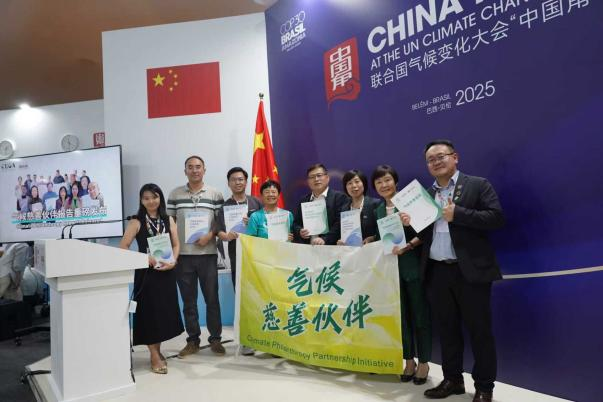 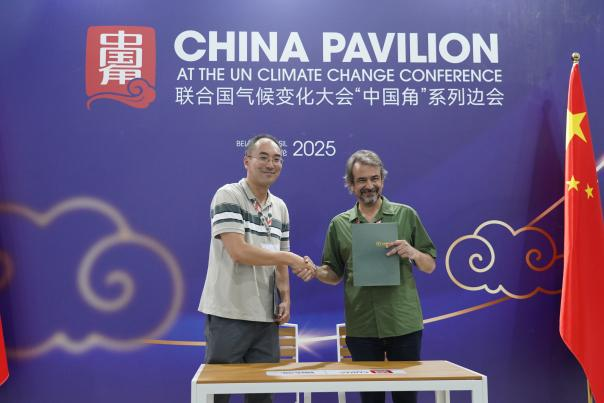 Figure 10. Report Release Figure 11. MoU Signing Ceremony November 17–20 Official Thematic Exhibition During the second week of COP30, ACEF and the Beijing Green Research Public Welfare Development Center jointly hosted a week-long exhibition in the official exhibition area. Government officials, international organizations, researchers, and business leaders from Asia, Europe, Africa, and the Americas visited and exchanged ideas. Exhibition highlights included Chinese civil climate governance cases, the Climate Philanthropy Action Plan 2030, the Low-Carbon Strategic Communication Micro-Grant Program, Green Belt and Road practice case collections, and State Grid’s Green Ark Project. Through physical displays, videos, and reports, the exhibition provided a vivid overview of China’s civil climate actions and fostered mutual understanding and consensus. Selected content was also showcased at the China Pavilion. 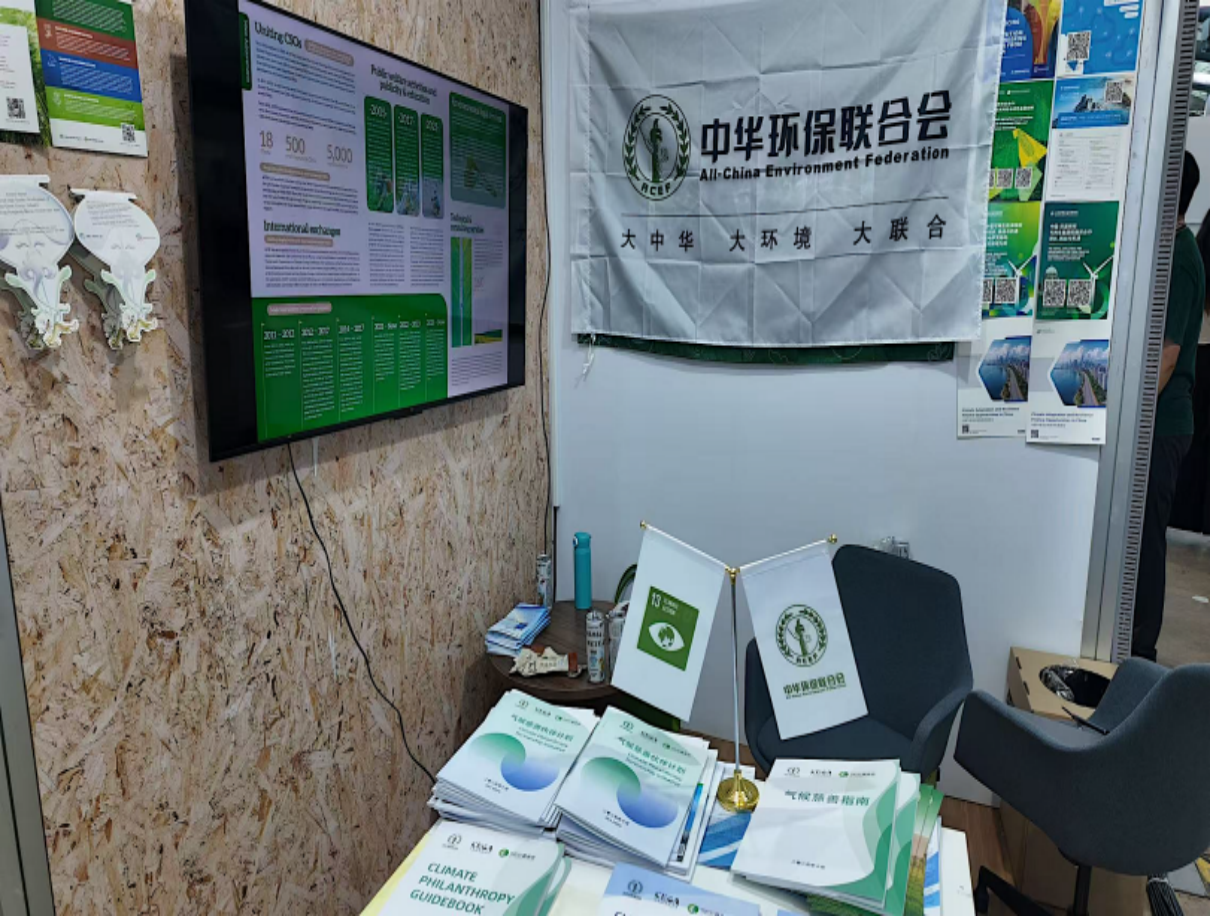 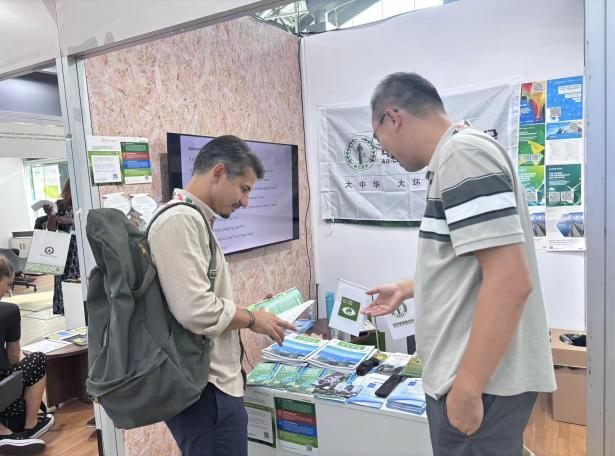 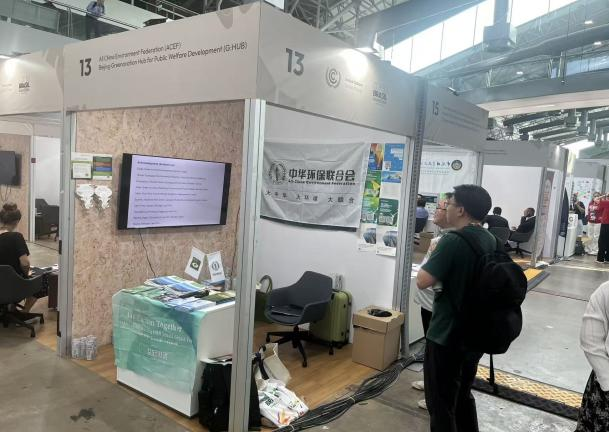 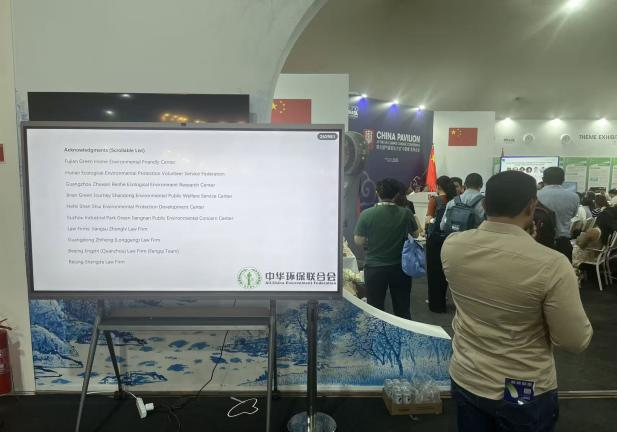
Figure 12. Exhibition Site
|
(This English version is for your reference only.In case any discrepancy exists between the Chinese and English context, the Chinese version shall prevail.)